
For farms across North America, there is much to plant in May. Growers in areas with hot summers still have time to sow crops that love the heat, while those with short seasons can get their autumnal crops going. Some crops should be transplanted, while others need to be sown directly.
Aside from the local weather, the farm’s needs are the second most important consideration. If the goal is to produce even more for the market stand or for revenue purposes, the focus should be on historically successful crops, whether on the farm itself or in the region.
However, if the space exists for it, it’s worth experimenting to see if something unexpected can come to fruition. A successful atypical crop is always worth more than what it can be sold for, as learning to grow something new brings multiple boons. Here are some of the crops that are perfect for planting this month.
Melons
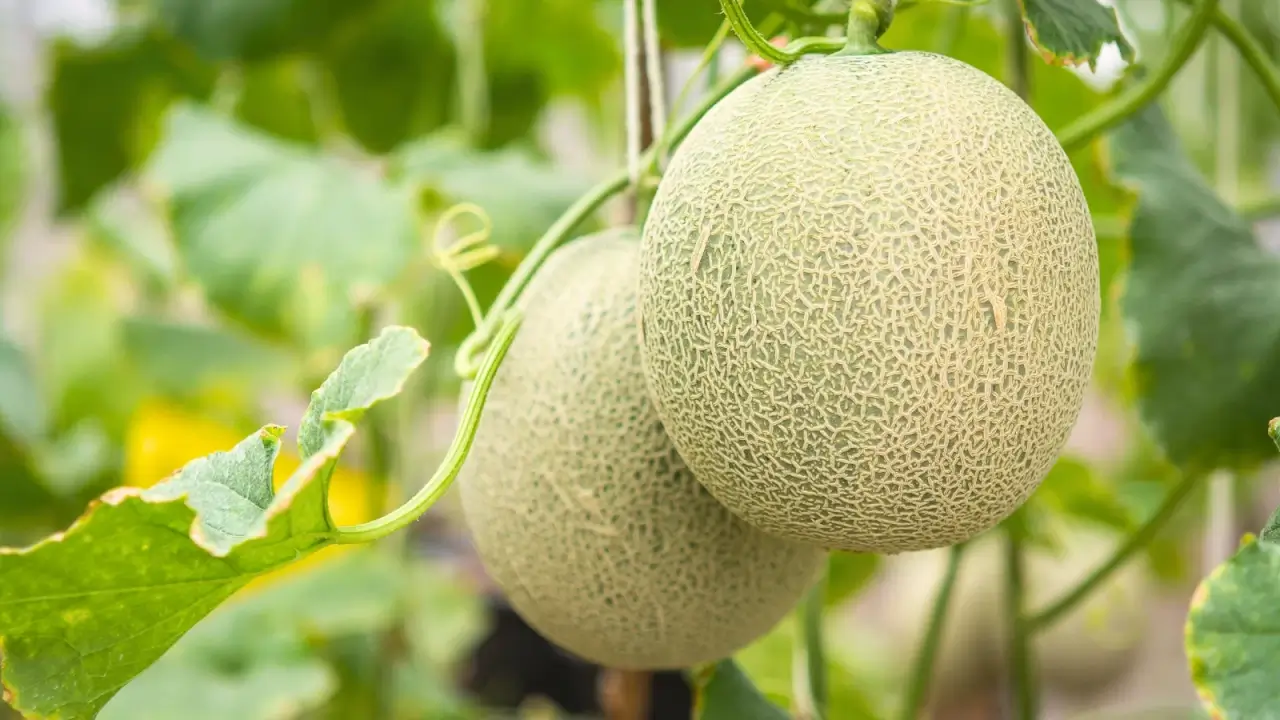
Cantaloupe, watermelon, and honeydew (among many others) are perfect to plant in May, especially if you’re in a region where summers are hot. Sow seeds of melons now to have sweeping vines climbing up a trellis or sprawling across the field, basking in the summer sun.
Melon vines really take off when they’re allowed to take up space. Feed them with a diluted fertilizer every week or so, and farmers may have more melons than they know what to do with in two to three months. Watermelons need more time than cantaloupes and honeydews.
Coastal areas are particularly suited to watermelons, which appreciate sandy soils and handle winds and saline-laden conditions with ease. In rich soils, musk melons do best. Compare the length of the season with days to maturity, and watch the melons take off.
Eggplant
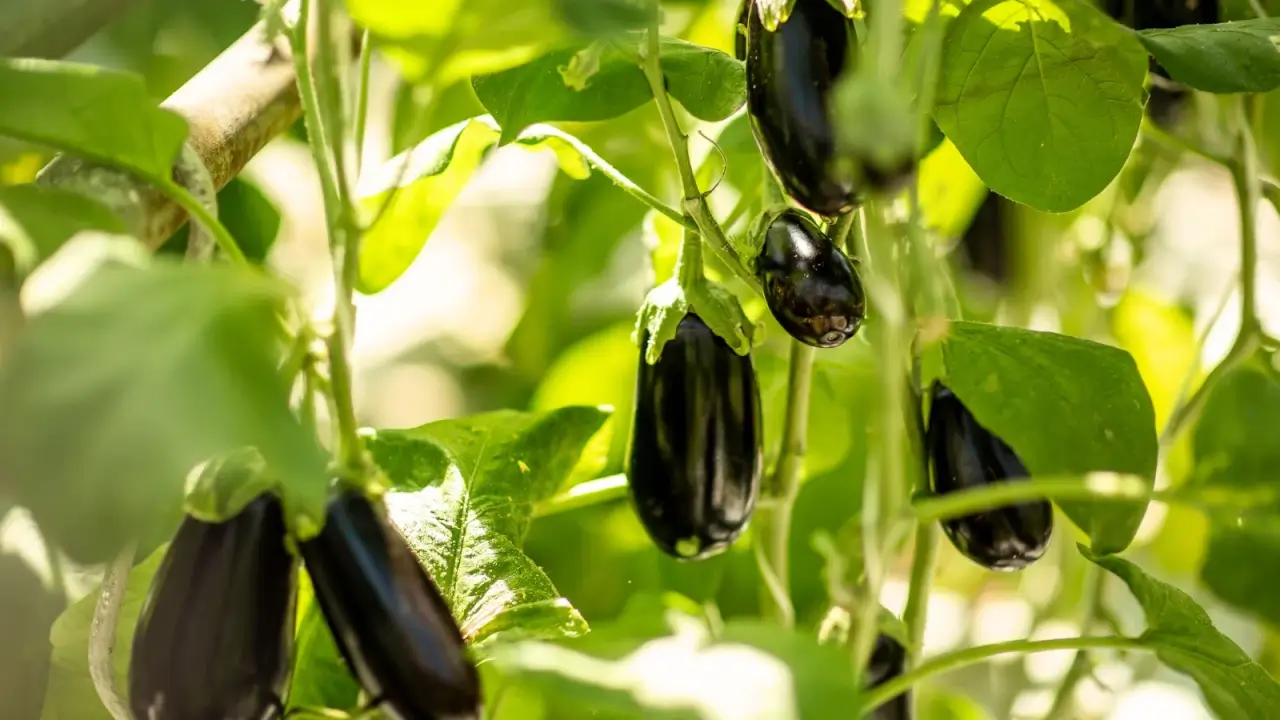
While there are plenty of direct sow crops on this list, some require transplant for best growth. Eggplants are one such crop to plant in May this way. These delicious solanaceous plants need at least two and a half months to mature. Interestingly, smaller varieties require just as much time.
For lots of eggplant that grow on heat-loving vines, look for the ‘Epic’ variety, which produces heavily in warmth. For larger eggplants, ‘Nadia’ is a good choice. In areas where the optimal temperatures for producing eggplants (75-85°F or 24-29°C) aren’t always present, ‘Orient Express’ and ‘Elondo’ work well.
Okra
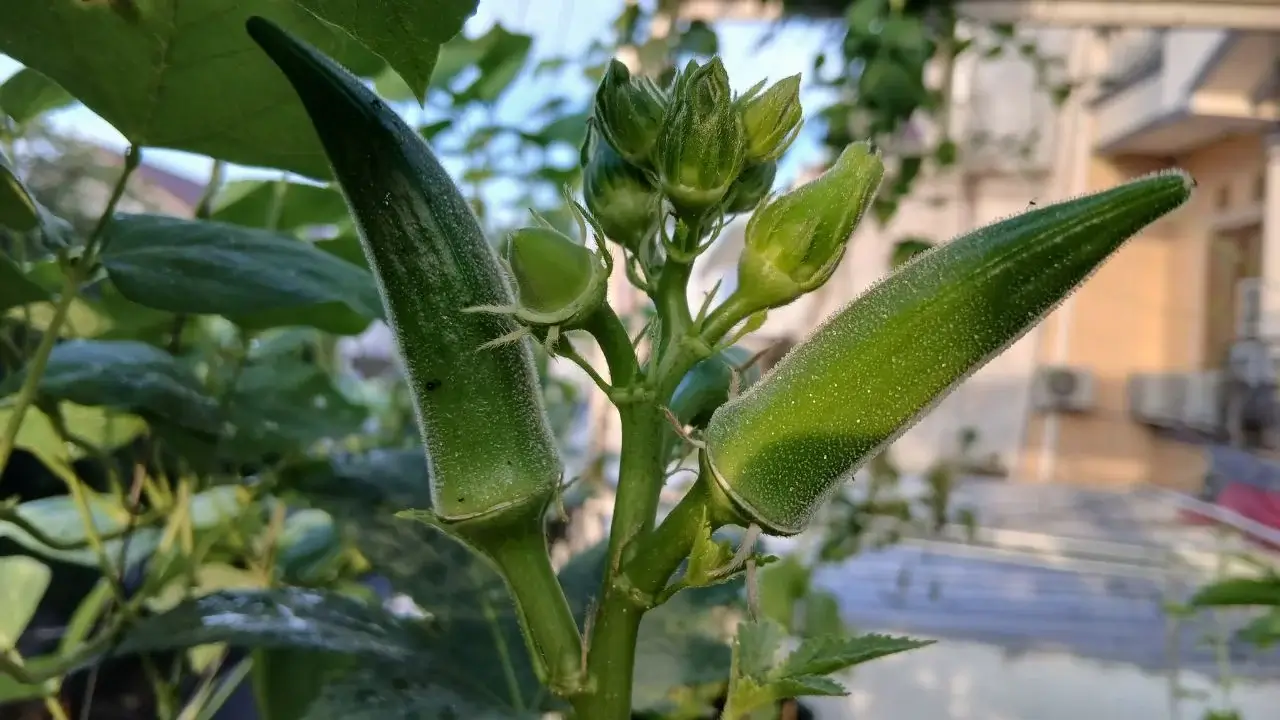
Whether it’s spineless or not, okra has a reputation for thriving in heat. That makes it good to plant in May in areas with long seasons, or in regions where heat reigns in summer. With a couple of months for production, okra will really take off. Few farmers have cultivated it who don’t grow tired of eating it, if that’s what it was grown for.
Take it to the summer market to avoid growing tired of the highly productive okra pods. The spiny varieties can be difficult to grow and harvest, so thankfully, there are spineless ones to choose from as well. ‘Clemson Spineless 80’ is one such variety.
Corn
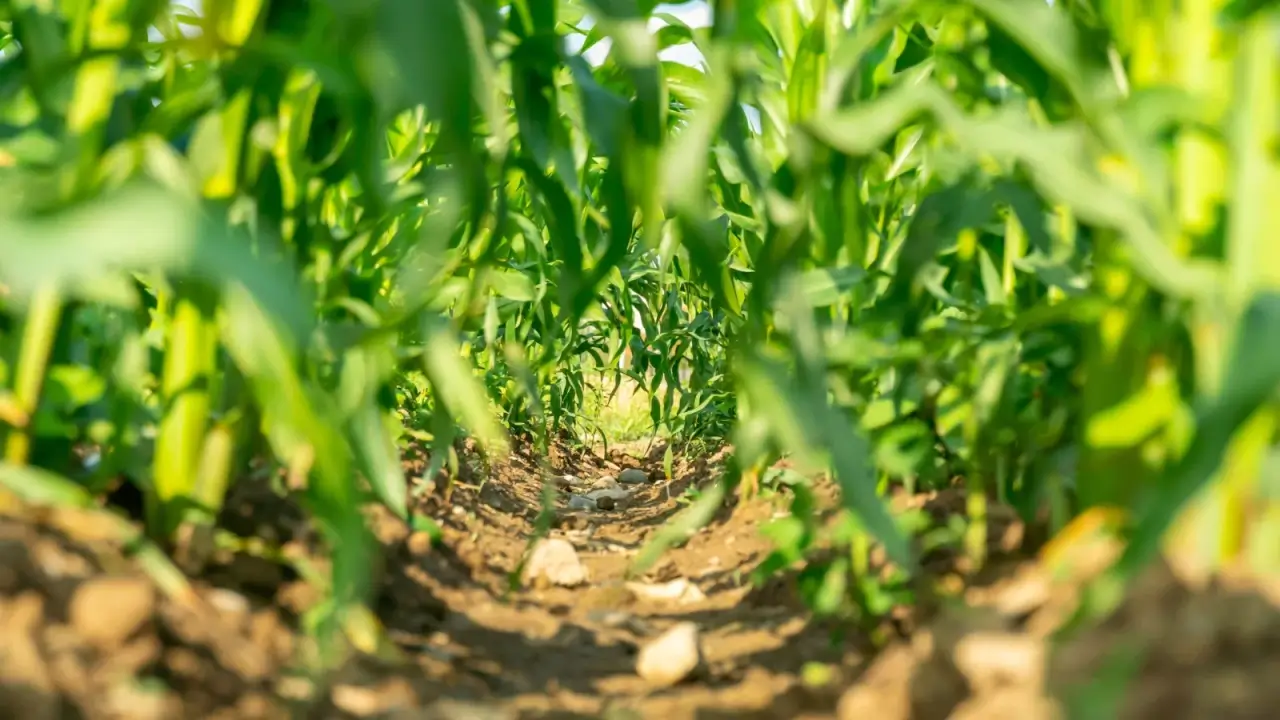
Growing this staple crop requires space and patience, with a season that lasts at least two and a half months. Sweet, dent, and popcorn are all viable options. Tailor the variety selection to the farm’s needs. Sweet corn is great for eating grilled, sauteed, or boiled. Dent corn is best for cornmeal and masa. Popcorn is self-explanatory.
Various flints are appropriate for eating or grinding. These are holdovers from Native American cultivation. There are plenty of heirloom corn varieties to enjoy as well. Look for open-pollinated types to continue the legacy.
Beans
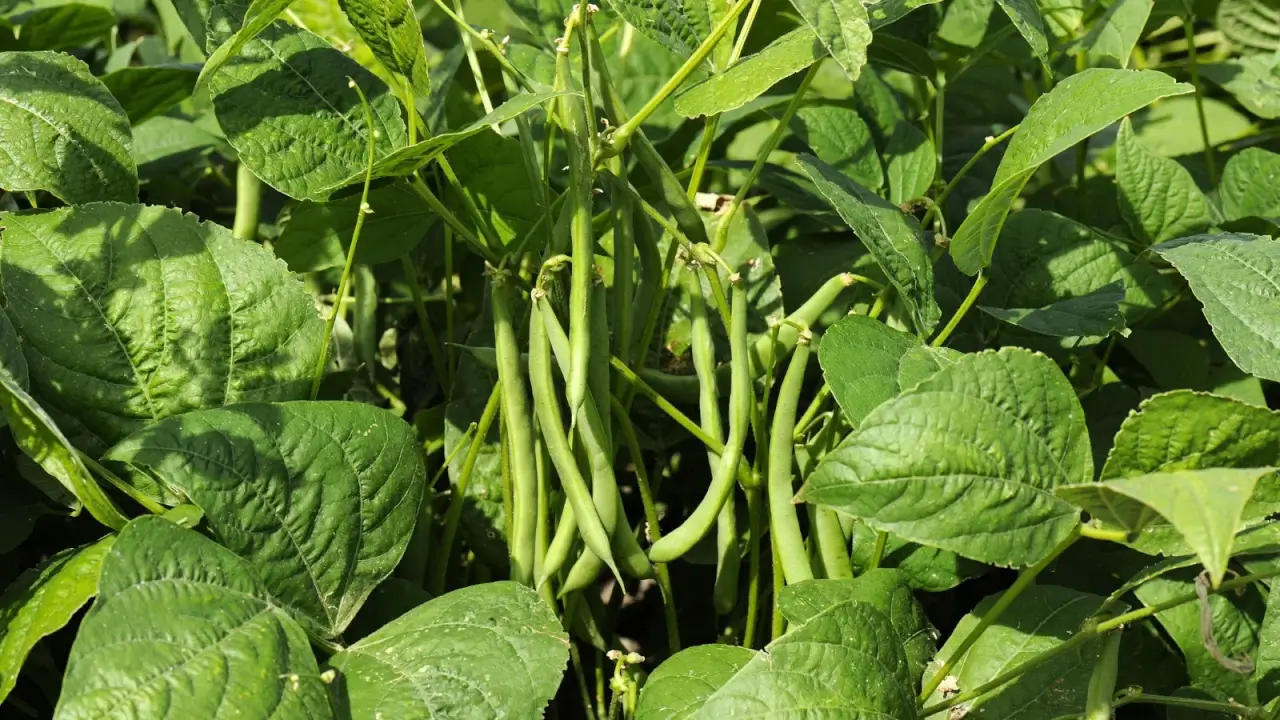
Green and shelling beans are some of the best crops to plant in May. There are heat and cool-tolerant options, and some that mature in less than two months. For those in areas with cool, short summers, plant bunches of fava beans. In hot areas with long summers, cowpeas and butter beans are a great option.
Southwest farmers get so much every year from locally cultivated tepary beans. These are well-adapted to the dry, arid climate and high daytime heat with low nighttime temperatures. Indigenous peoples of the Southwest have cultivated these for ages, selecting those that weathered the conditions with ease.
Squash
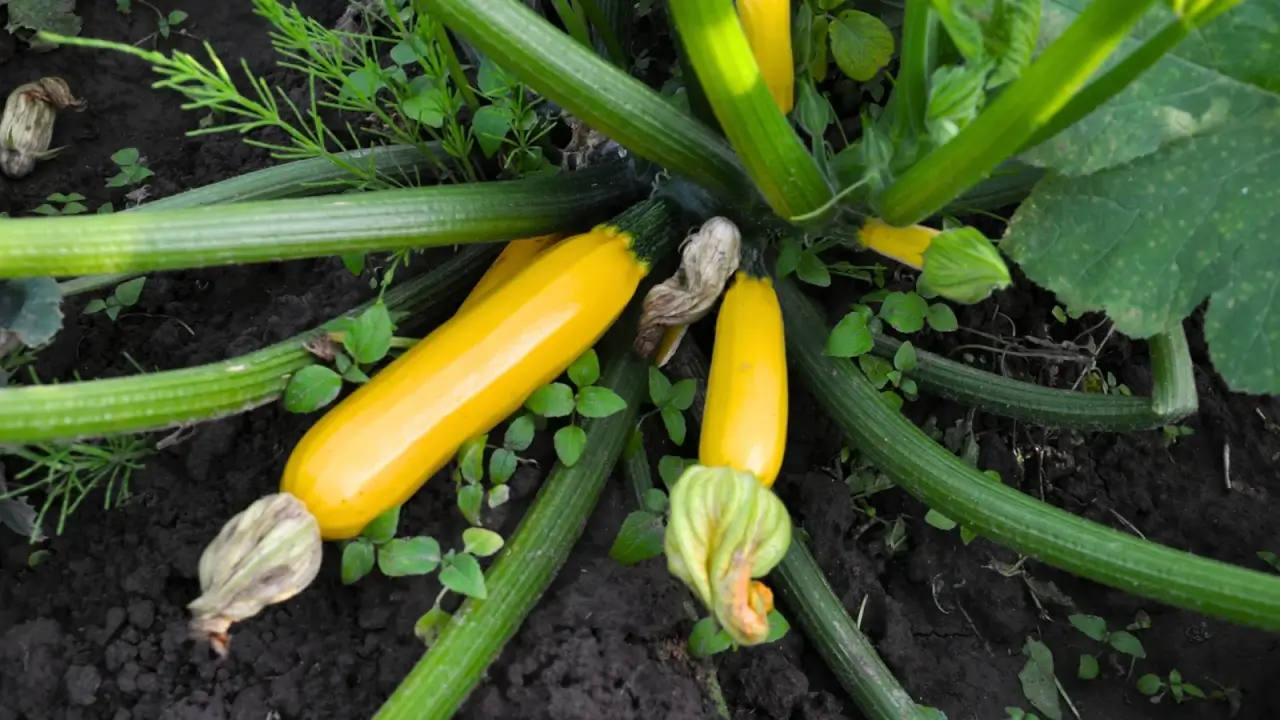
In mild areas, pumpkins are good to plant in May. Standard, mid-sized types take three to four months to go from seed to gourd, so those farms located in regions where frost arrives in September should get theirs in the ground. Other winter squash, like butternut and acorn, should be planted now in colder areas as well.
In long-season areas, summer squash can still be sown. For growers who have already started their zucchini or patty pan, sow a few more successions until a couple of months out from the first frost.
Grains
Hot-weather growers can still sow amaranth. This plant has both ornamental and edible applications, with cultivars like ‘Love Lies Bleeding’, which are perfect for cut flower arrangements, or species with leaves perfect for eating, like A. retroflexus. Basically, every species, whether bred for ornamental purposes or not, is edible.
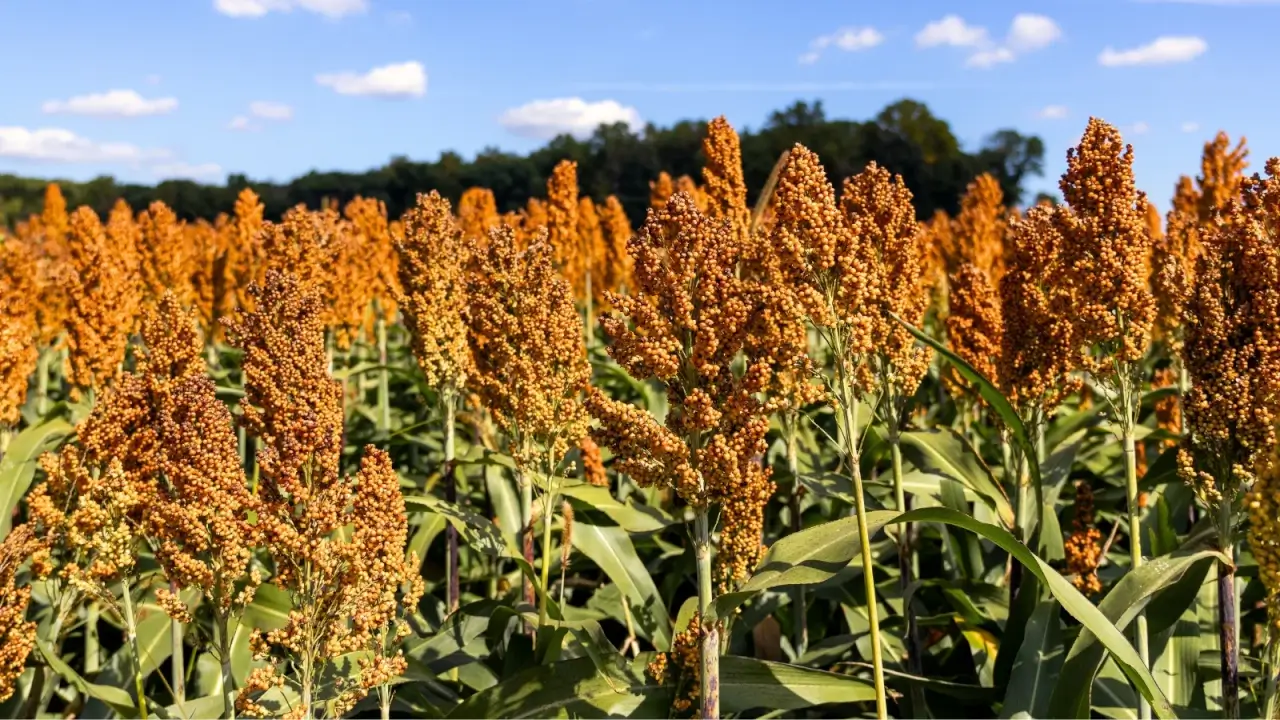
Sorghum and millet are perfect for other hot areas, where summers are long and dry. Both are well adapted to heat and a lack of moisture. Oats, buckwheat, and farro are great to plant in May where summers are cool and somewhat short. These are all best suited to temperate climates.
Flowers
Dahlia tubers should be planted as soon as the soil can be worked, and frost has passed. While those closer to the tropics may have theirs in the ground year-round, farms where winters get cold need to be timely to enjoy the large dinnerplate varieties (among others).
Sunflowers can be sown almost anywhere. These fast-growing blooms are pollinator powerhouses, attracting all the winged friends that boost fruit production in orchards and market gardens alike. Zinnias and cosmos are also fast-maturing and they’re perfect to plant in May.
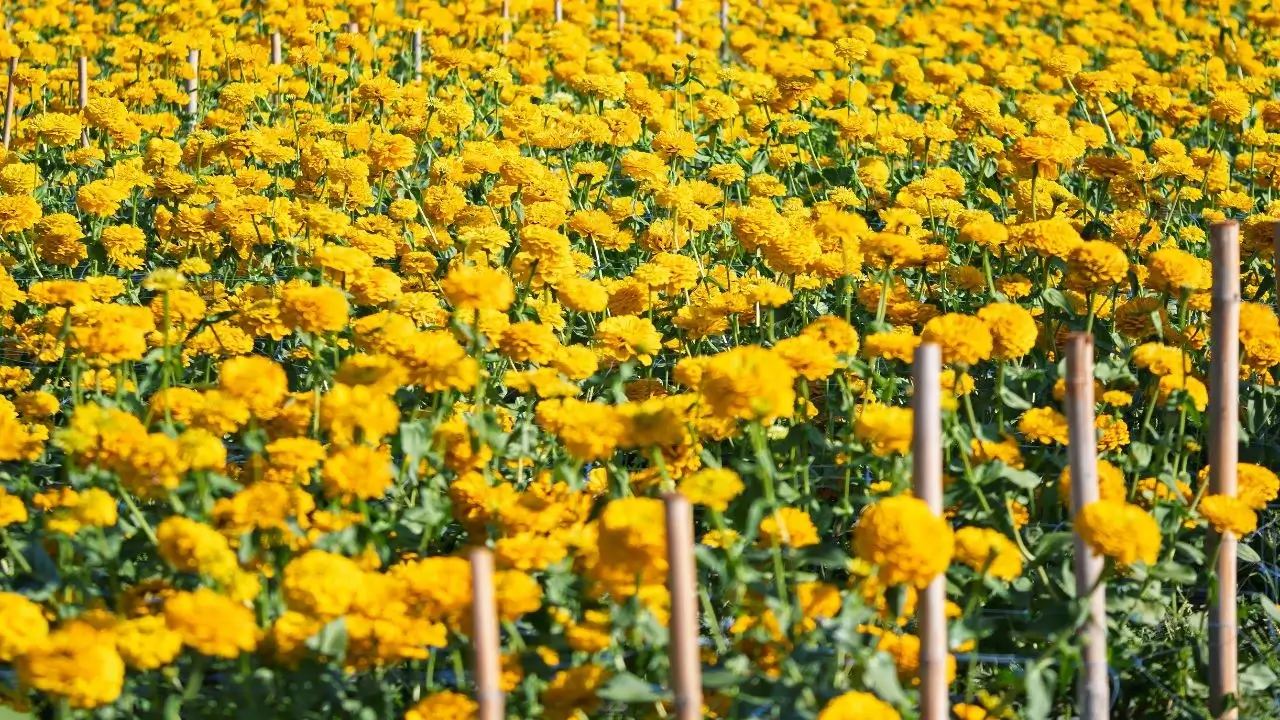
Other viable annual flowers, like marigolds, cornflowers, and borage, will do well in areas that are cooler in May. Those that are approaching high heat should wait to plant again in fall if it’s mild enough.
Lower Your Grocery Costs With These 7 Easy-to-Grow Crops
Whether you have a small yard or a large patch of land, you can grow some of your own food. Not sure where to start? Join farmer Briana Yablonski to learn some of the best easy-to-grow crops that can help you lower your grocery bill.
The post What We’re Planting In May appeared first on Modern Farmer.