
North American farms can still start seeds this month, no matter where. Having a good April seed-starting plan will eventually provide harvests for market or food for the people on the farm. The most important factors to consider are the local climate and the time required to grow the crop in question.
In hot areas, tomatoes and peppers may already be in the ground, getting their first sets of fruit. In colder areas, cole crops and frost-tolerant plants reign. However, many cool-weather lovers can be seeded directly in the ground right now, even though frost will linger for another six weeks.
It makes a huge difference to think about what will go in the ground now and what needs a spot in the indoor seed-starting setup. Not only does the plant preference come into question here, but so does the weather. Knowing the last frost date is a good start. Then, determining the timing of sowing is the guideline.
What to Direct Sow
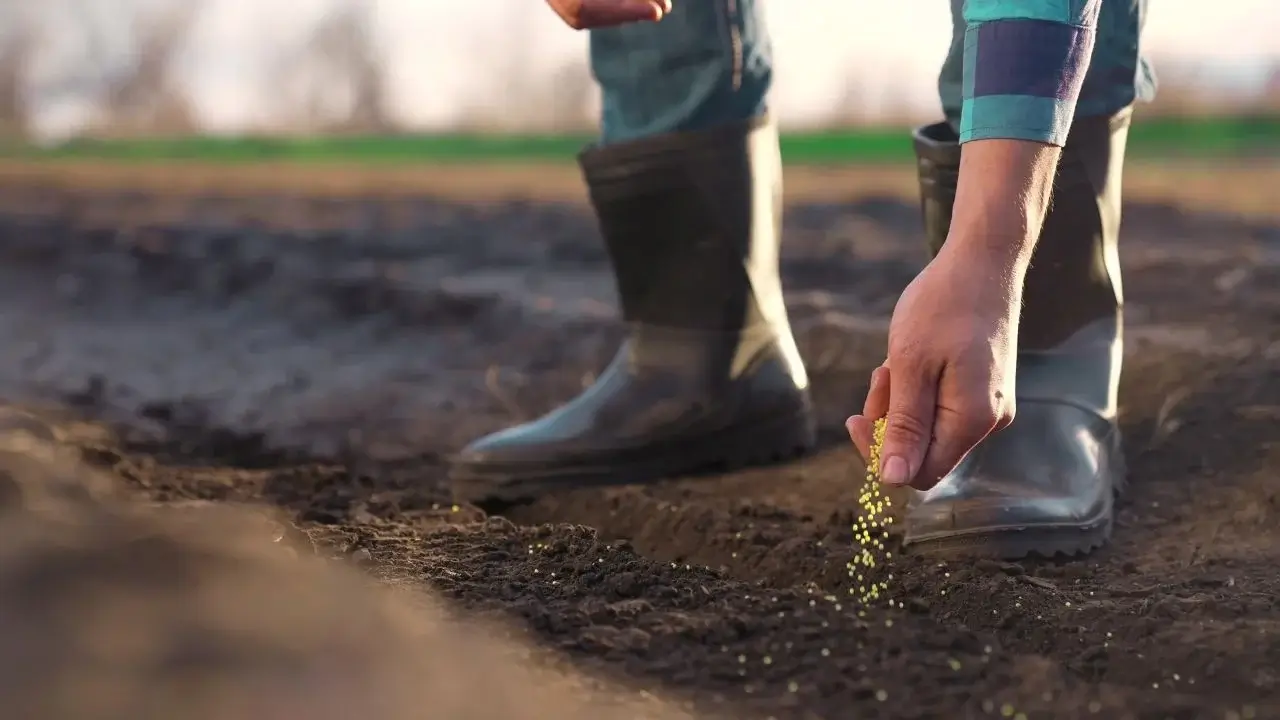
The following plants prefer to be sown directly into the rows and farmland where they’ll grow until harvest. These are often root-sensitive plants that don’t take well to transplanting. While this list is fairly definitive for April, farmers should take note of their local conditions before planting.
Peas
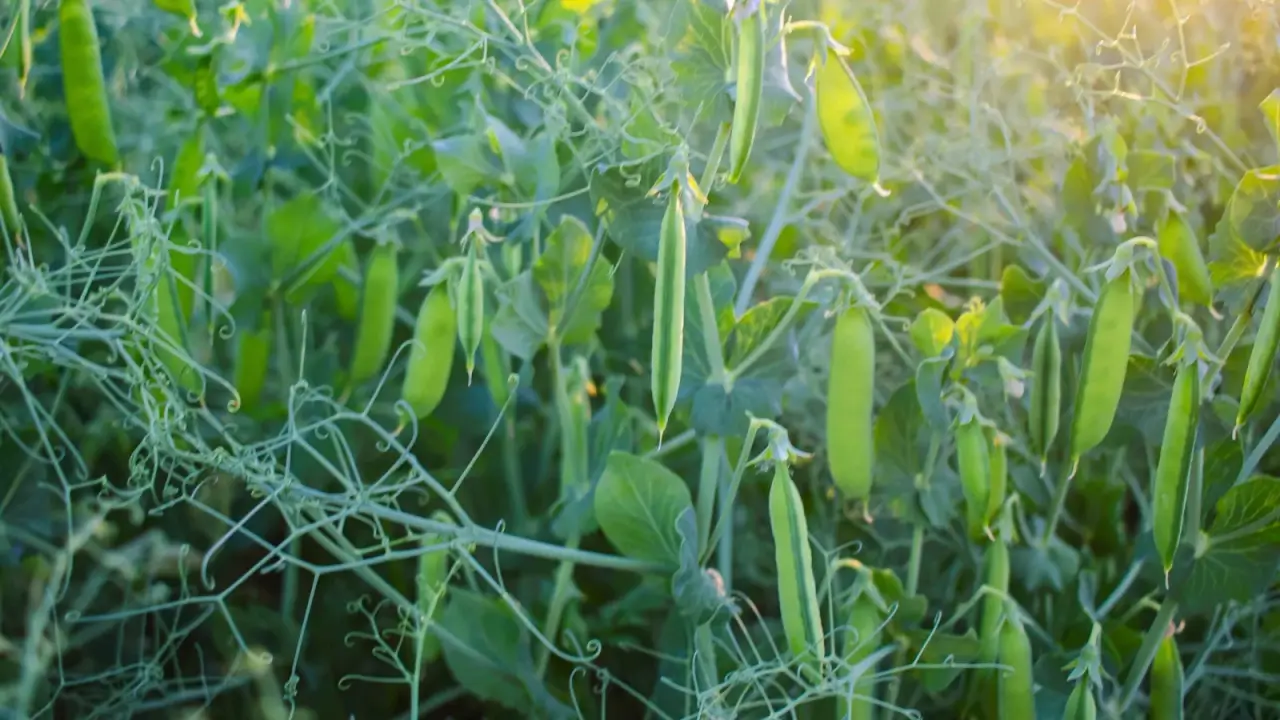
It’s best to soak pea seeds overnight before planting, and keep them one to two inches apart. In colder areas, snow peas are best sown after the ground has thawed slightly (at 40°F or 4°C). These are more suited to cold weather than sugar snap peas, but all are best suited to cool weather.
Most peas should be sown four to six weeks before the last frost, and they prefer a rich, well-draining soil to thrive. While there are smaller varieties, most require extensive support to really take off. Whether the choice is snap peas, snow peas, shelling, or sugar snaps, peas are perfect for the April seed-starting routine.
Radishes
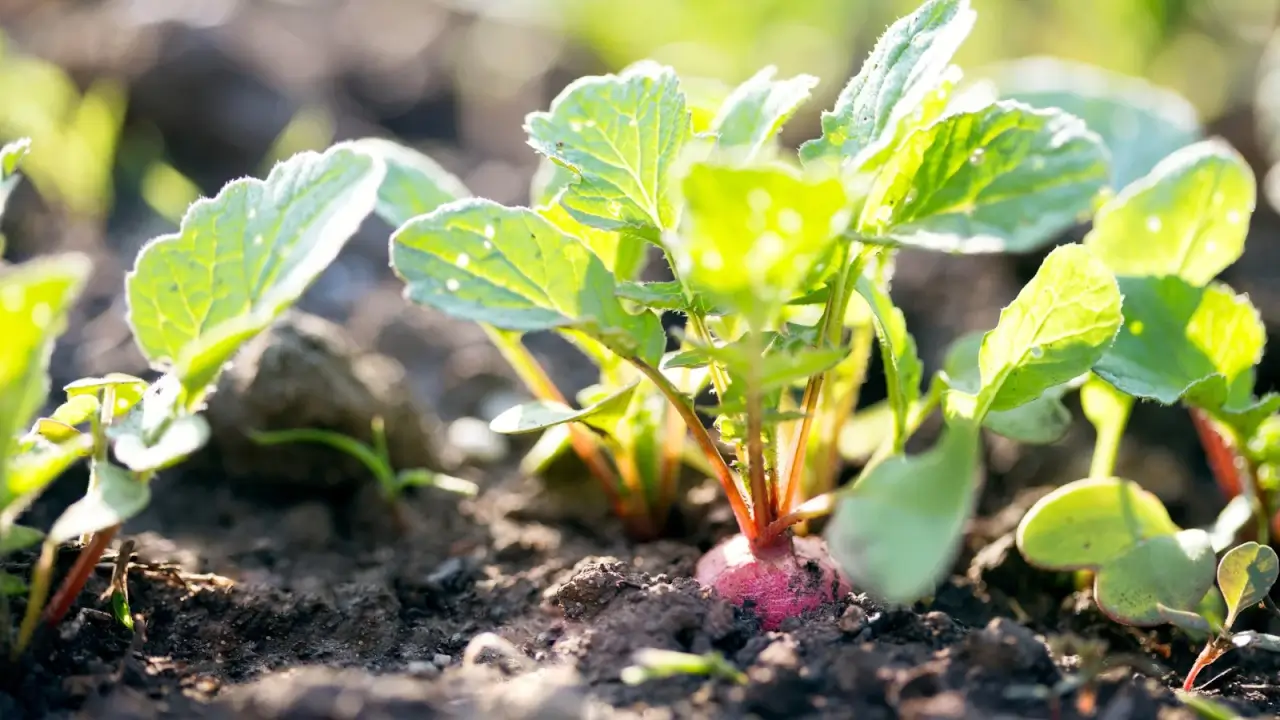
Similar to peas, radishes require direct sowing. These hardy root veggies are perfect in areas that are still cold, as well as those that are warming in April. As soils are still cool, even in regions where summer comes on strong, radishes are safe below the soil line.
If summer-like weather is fast-approaching and hot, smaller varieties that take only a month or so to mature are better. In this case, ‘Easter Egg’, ‘French Breakfast’, and ‘Cherry Belle’ are perfect. Where cold lingers, larger Black Spanish radishes work, as well as long daikon roots.
Beans
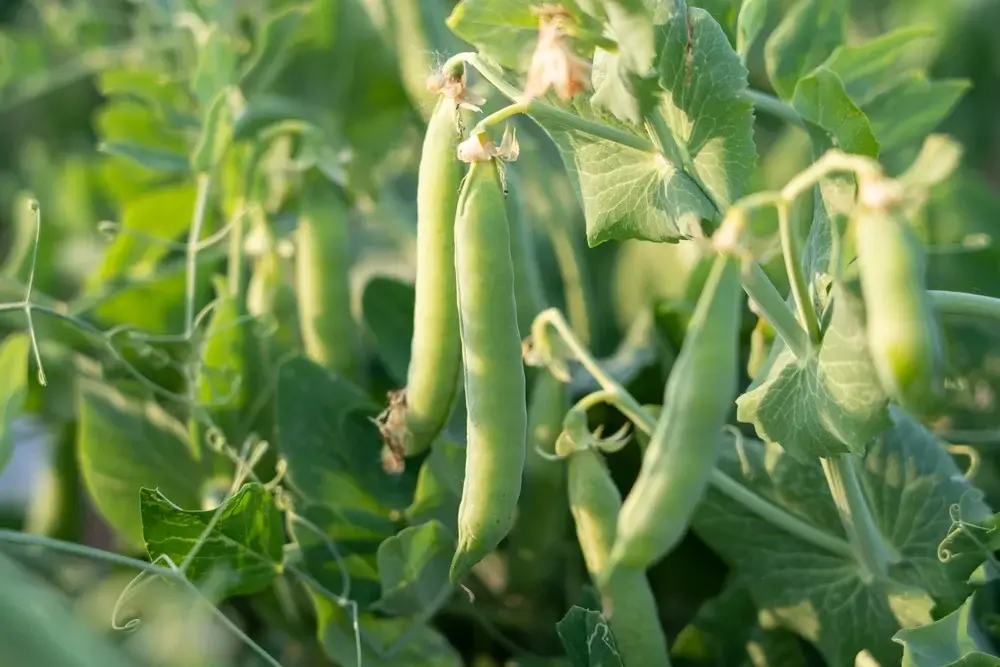
While most beans won’t produce well in hot weather, they’re a good candidate for April seed starting where the frost has passed. Standard climbing and shelling beans do best in mild conditions and require a couple of months to mature. Whereas cow peas and hull peas can take up to three months.
The latter produce well in hot weather, thankfully, meaning farmers all over can start beans as long as the frost is over. Those still within the frost window should stick to peas.
Spinach
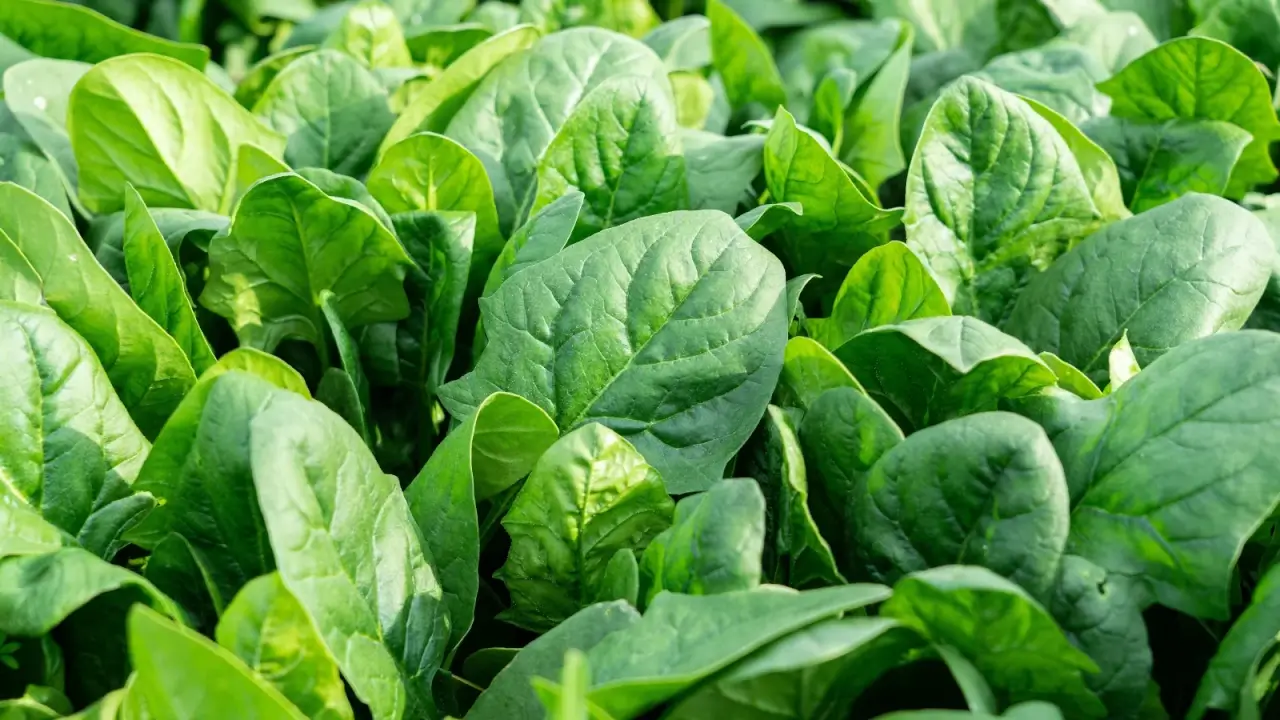
Unless it’s hot, spinach is a great choice for sowing en masse in rows, raised beds, or even in containers. Spring’s conditions, even where frost lingers, are ideal for supporting spinach growth. The leaves of this nutritious plant appreciate a kiss of frost.
In colder areas, the broad, oval leaves of ‘Matador’ are a good choice. Savoy types like ‘Bloomsdale’ handle leftover winter weather like a champ. Dense plantings will generate more warmth, so farmers can densely scatter seeds and harvest early if heat arrives.
Annual Flowers
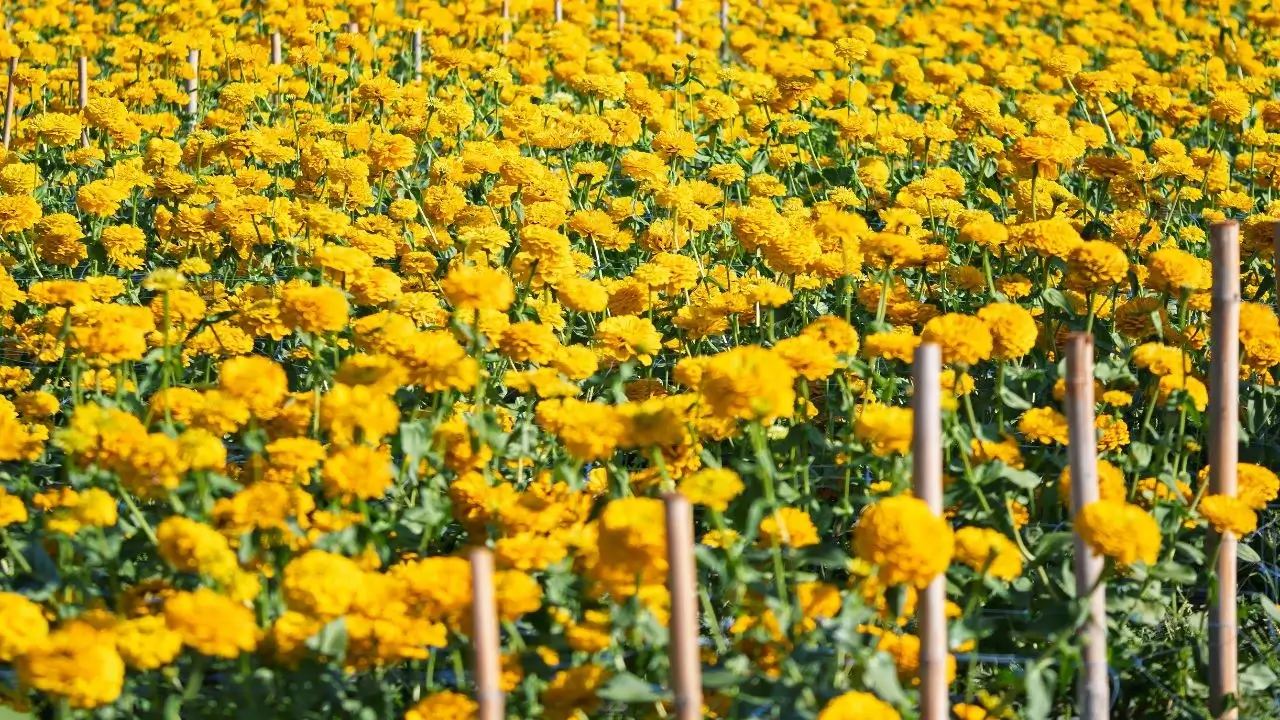
Zinnias, cosmos, marigolds, spider flower, and amaranth are all excellent to sow in April, as long as frost is about to leave or has already left. To get a head start and assist other plants with pollination, growers can add these to the interiors of cold frame beds or frost cloth-covered rows. As long as the soil is at least 70°F (21°C), most of these will do well.
Thankfully, those more sensitive to cold can also be sown indoors. As long as frost has passed at least a week ago, sowing directly is just fine.
What to Plant Indoors

If it’s still too cold, as it is in many areas of North America, farmers can start seeds indoors to get a head start on the upcoming season. Even warm-weather growers can plant seeds indoors ahead of their intended season, and plants started this way will be slightly more mature when weather conditions are suitable for their transplant.
Melons
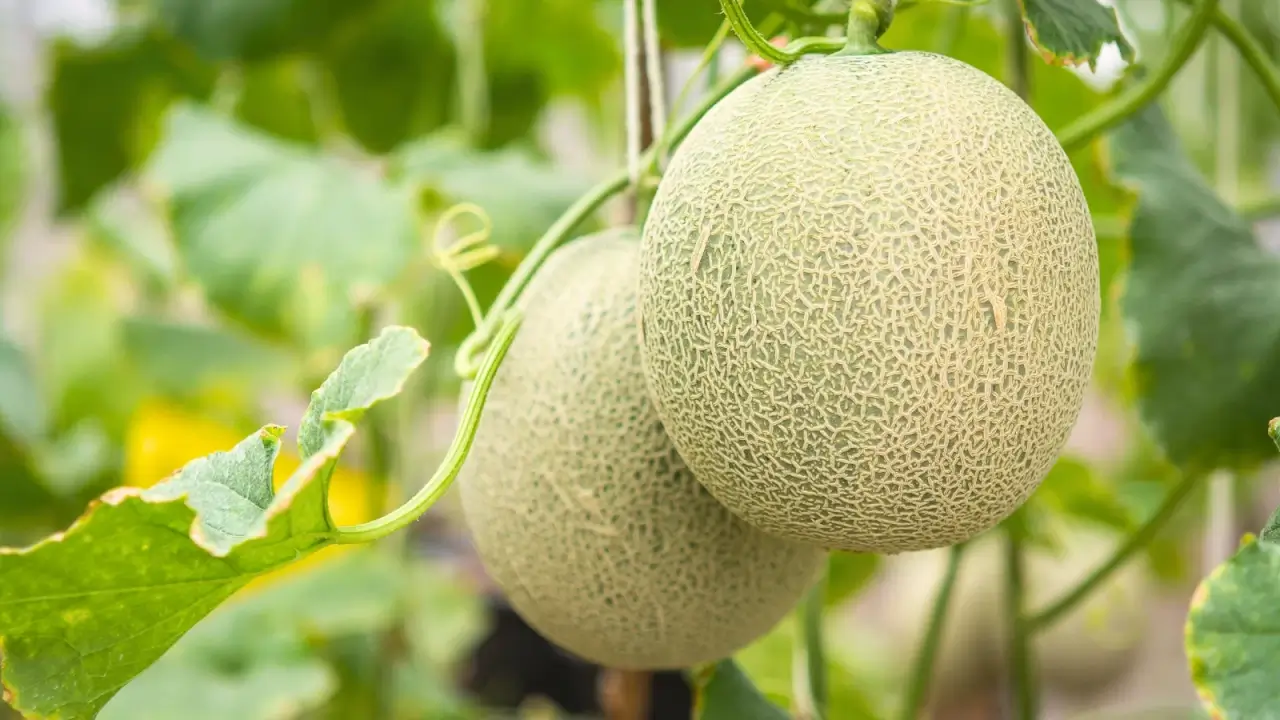
Smaller melons, like ‘Minnesota Midget’, take only a couple of months to grow, and are perfect for farmers in areas where frost leaves and returns quickly. In milder areas where three months of frost-free weather (or more) persist, larger melons work as well, such as Hale’s Best cantaloupe.
Larger watermelons need at least four to five months of growth to mature. Sow seeds of these indoors in April. Seed starting large melons ahead of the season gives farmers a little boost and an earlier harvest.
Corn
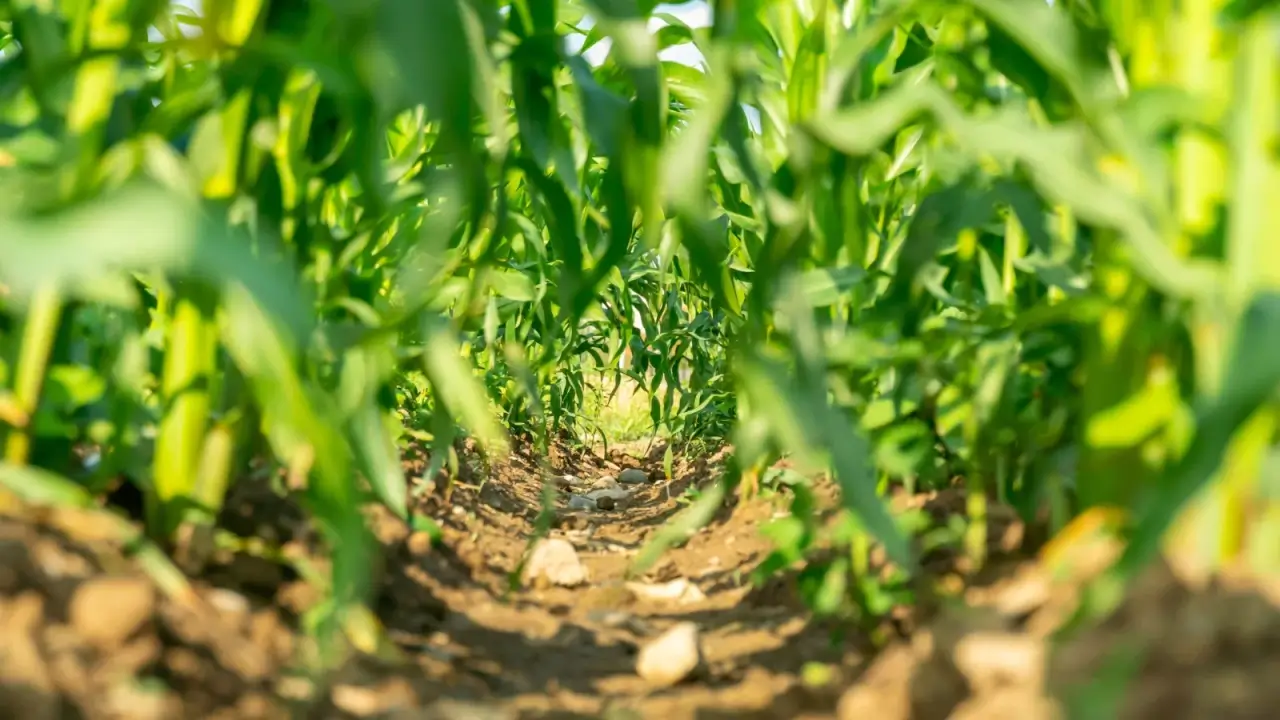
Most traditional practices include sowing corn directly in rows and fields. However, with the right starting trays and very careful handling during transplant, corn can be grown indoors first. As long as the trays allow for extracting corn seedlings without much root disturbance, it can be done.
This indoor starting practice is good for growers where field space is limited, and corn will take up much of the cultivation area. Flint corn, like ‘Glass Gem’, sweet corn, and popcorn, can all be started indoors. They need at least four months to develop and should be planted en masse for the best pollination.
Annual Flowers
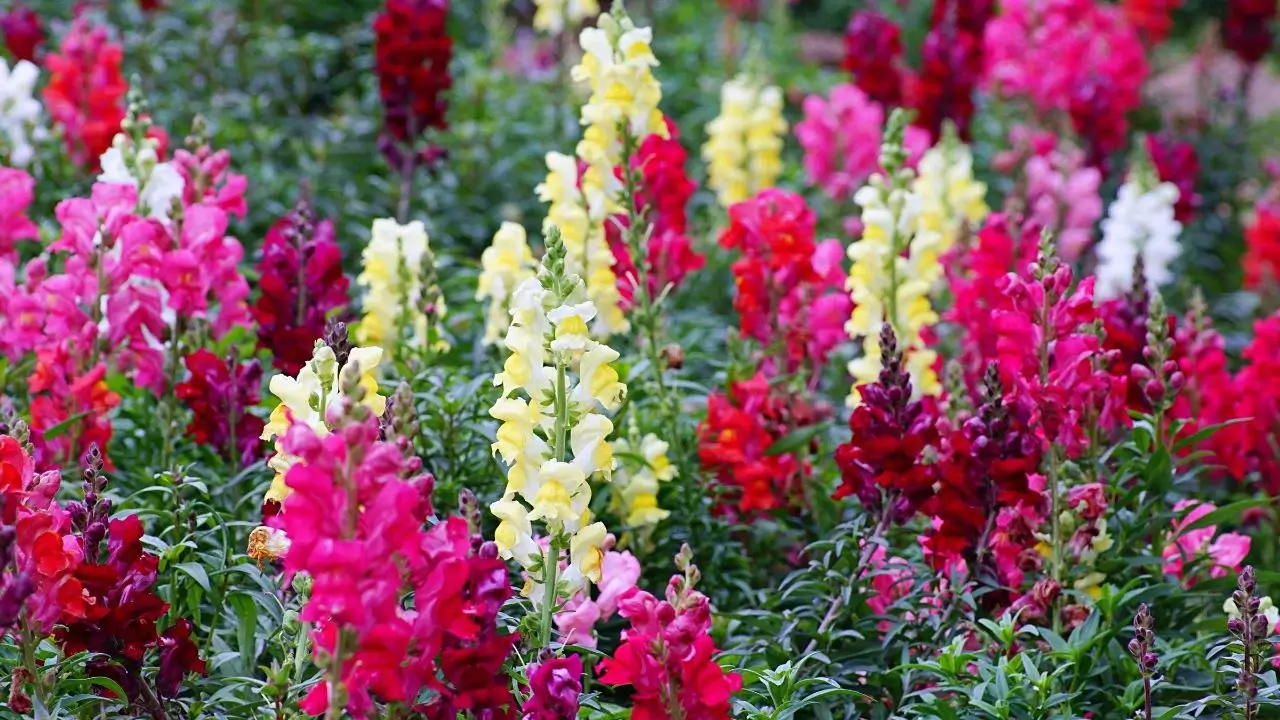
While many annuals are best planted outdoors, some can handle transplanting. This April seed-starting tip is helpful for farmers in areas with short seasons where warm-weather flowers take some time to grow. Like corn, zinnias can be carefully planted.
Snapdragons are easy to sow indoors and pop into the growing space later. Marigolds, impatiens, petunias, and more do well when sown indoors and transplanted when the weather warms.
Herbs
While woody sub-shrub herbs like rosemary and lavender take a long time to grow from seed, tender herbs like cilantro, parsley, and oregano can be sown indoors and transplanted within a reasonable amount of time. Even savory and chervil will do well this way.
If rosemary or lavender is a preferred plant on the farm, farmers should know these can take over a month to germinate. They take much time to grow to a mature form as well.
11 Great Crops to Grow In Your Greenhouse
How to grow citrus, berries and greens all year long.
The post April Seed Starting: What to Direct Sow vs. Plant Indoors appeared first on Modern Farmer.